Business Name: FootPrints Home Care
Address: 4811 Hardware Dr NE d1, Albuquerque, NM 87109
Phone: (505) 828-3918
FootPrints Home Care
FootPrints Home Care offers in-home senior care including assistance with activities of daily living, meal preparation and light housekeeping, companion care and more. We offer a no-charge in-home assessment to design care for the client to age in place. FootPrints offers senior home care in the greater Albuquerque region as well as the Santa Fe/Los Alamos area.
4811 Hardware Dr NE d1, Albuquerque, NM 87109
Business Hours
Monday thru Sunday: 24 Hours
Facebook: https://www.facebook.com/FootPrintsHomeCare/
Instagram: https://www.instagram.com/footprintshomecare/
LinkedIn: https://www.linkedin.com/company/footprints-home-care
Albuquerque has its own rhythm. High desert climate, spread-out neighborhoods, big temperature swings between day and night, and families frequently spread in between city, pueblos, and out of state. When an older adult begins to require assistance, these local realities matter just as much as medical diagnoses.
Home care is not just about sending someone to your home to "help out." Done well, at home senior care ends up being a safety net that keeps an elder steady, connected, and respected in the place they know best. Done improperly, it develops into a revolving door of caregivers, missed out on medications, preventable falls, and burned-out family members.
I have seen both versions in Albuquerque homes from the Northeast Heights to the South Valley. The difference generally comes down to how attentively the family and the firm match services to the individual, the home, and the local environment.
This guide walks through the useful side of Albuquerque home care, with an eye on health, safety, and reasonable family dynamics.
Why local in-home care matters more than individuals expect
Two homes can sit on the very same street and requirement totally various plans for senior home care. In Albuquerque, I pay very close attention to 3 factors best away.
First, geography and transportation. Lots of older grownups live far from significant bus lines or in communities with limited walkway https://cesarqlvw794.trexgame.net/how-home-care-teams-coordinate-nutrition-medication-and-hygiene-for-elders gain access to. If a senior can no longer drive, even a "basic" errand ends up being complicated. A thoroughly planned in-home care schedule can bridge that gap, making certain they do not avoid grocery journeys, medical consultations, or social time at the senior center.
Second, environment and altitude. The mix of dry air, 5,000-plus feet of elevation, hot summers, and cold nights can impact hydration, breathing, and energy levels. Caretakers need to discover early indications of dehydration, oxygen problems, or heat fatigue, particularly for customers with COPD, heart disease, or kidney issues. A caretaker knowledgeable about Albuquerque will not shake off someone saying, "I just feel more tired when I go out in the afternoon."
Third, cultural and household patterns. Albuquerque is layered: Hispanic, Native, Anglo, recent transplants, multigenerational households, single seniors with no regional relatives. Attitudes towards care, personal privacy, and independence vary commonly. An excellent care plan respects those attitudes while still remaining sincere about safety.
Local context shapes whatever about elder care. When a caregiver understands the location, comprehends the regional health systems, and can point a customer towards neighboring resources, the care becomes even more effective.
What "protects health and safety" really suggests in home care
Families typically call an agency and state, "We simply require somebody to look at Mom and keep her safe." That sounds uncomplicated, however safety in your home is in fact a layered concept.
On the surface area, there is apparent physical threat: falls, missed out on medications, infections, kitchen mishaps. Beneath that, there is cognitive threat, such as confusion about expenses, vulnerability to rip-offs, leaving doors unlocked, wandering, or blending medication times. Then there is social and emotional threat: isolation, depression, grief, or gradually giving up on cooking, bathing, or leaving the house.
I normally simplify into five areas when creating in-home care for seniors:
Medical stability. Are medications taken properly? Are chronic conditions kept track of? Are modifications in blood pressure, blood glucose, fluid retention, or breathing caught early and interacted to the right person?
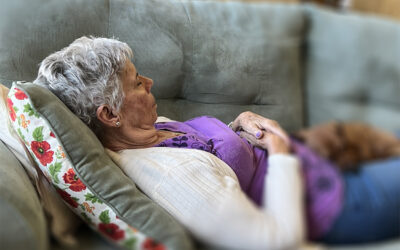
Functional safety. Can the individual reliably handle bathing, dressing, toileting, and walking around the home without regular near-falls or accidents?
Home environment. Is the physical setup fairly safe for their level of mobility and vision? Are there apparent trip hazards, poor lighting, or hazardous bathroom conditions?
Cognitive dependability. Does the senior regularly remember important jobs, recognize risk, and react properly? Or do they require cueing, supervision, or complete hands-on support?
Emotional resilience. Does the person have enough assistance and structure to keep hunger, sleep, and engagement, or are they moving into passiveness and loneliness?
Real protection of health and wellness suggests resolving all 5, not simply setting up a grab bar and calling it done.
When is it time to consider home care for parents?
Families seldom settle on the timing. A child in Denver might be alarmed by what she sees on a brief holiday visit, while a son throughout town insists, "Dad has constantly been messy, he's great."
From what I have actually seen in Albuquerque homes, you must a minimum of begin the conversation about home care for parents when you notice any of the following patterns over a couple of weeks or months, not simply a bad day:
Frequent "little" emergency situations. Last-minute rides to urgent care, repeated medication refills at odd hours, calls from next-door neighbors about confusion or roaming, minor falls that "could have been even worse."
Noticeable decline in home maintenance. Garbage accumulating, spoiled food in the refrigerator, strong smells in the bathroom, overdue bills, or mail stacking up unopened.
Changes in look or practices. Your parent, who always dressed nicely, now wears the exact same stained clothing a number of days in a row, or stops doing standard grooming like shaving, brushing hair, or washing.
Increased withdrawal. They stop going to church, the senior center, or their usual social activities due to the fact that it is "too much trouble" or "I just do not feel up to it any longer."
A single fall with injury. One major fall in an older grownup must activate a safety review, even if they insist it was just "clumsiness."

You do not have to wait till whatever is falling apart. Light assistance a couple of days a week for at home senior care can keep someone steady and independent much longer than waiting till a crisis forces 24/7 protection or a move to assisted living.
Types of Albuquerque home care services and who they fit
Not all elder care services are the exact same. The right fit depends on medical needs, movement, cognition, and household availability.
Non-medical in-home care. This is what the majority of people mean by "home care" in Albuquerque. Caregivers assist with bathing, dressing, light house cleaning, cooking, errands, transportation, companionship, and in some cases medication tips. It is perfect for seniors who are clinically stable but require day-to-day assistance to remain safe and comfortable.
Personal care vs buddy care. Personal care consists of hands-on aid with bathing, toileting, and transfers. Buddy care is more about supervision, discussion, meal preparation, and light tasks. Many agencies in the city provide both, however not every caregiver is similarly comfortable with intimate care tasks, so matching matters.
Home health services. These are medical services bought by a doctor: nurses for wound care or injections, physical or physical therapists, speech therapists. Home health is usually short-term and goal-oriented, for instance after a healthcare facility stay or brand-new diagnosis. It can run along with non-medical home care, but they are billed and set up separately.
Specialized dementia care. Elders dealing with Alzheimer's disease or other dementias need caregivers trained in redirection, interaction strategies, wandering prevention, and structured everyday routines. Agencies that buy dementia-specific training usually have more success preventing crises.
Respite care. Short-term in-home care that covers household caretakers who require a break or are traveling. In a city where lots of adult kids work full-time, planned respite often prevents caregiver burnout.
In Albuquerque, numerous elders move through a series: starting with a couple of hours of buddy care, then including personal care, and sometimes layering in home health after hospitalizations.
Building a practical care plan, not a dream list
A care plan is more than a list of jobs. It is a written understanding in between the family, the client, and the company about what matters most, what should take place at each visit, and what the caretaker should view for.
When I sit with households, I ask them to be honest about 3 things.
First, the non-negotiables. This might be: "Mom must have supervision in the shower," or "Dad can not be left alone in the cooking area with the range on," or "She needs to have her insulin at these times." Those items go to the top of the plan.
Second, the family's capability. Some local families are deeply included, coming by day-to-day and taking on significant jobs themselves. Others live out of state or work long moves and can just visit on weekends. There is no "ideal" answer, however we should create home care hours that fit the truth, not the ideal.
Third, the customer's preferences and character. A retired instructor utilized to leading her own class will not respond well to a caretaker who barks orders. A private, modest elder may accept personal care if it is arranged routinely with the exact same 2 caretakers, rather than whoever is available.
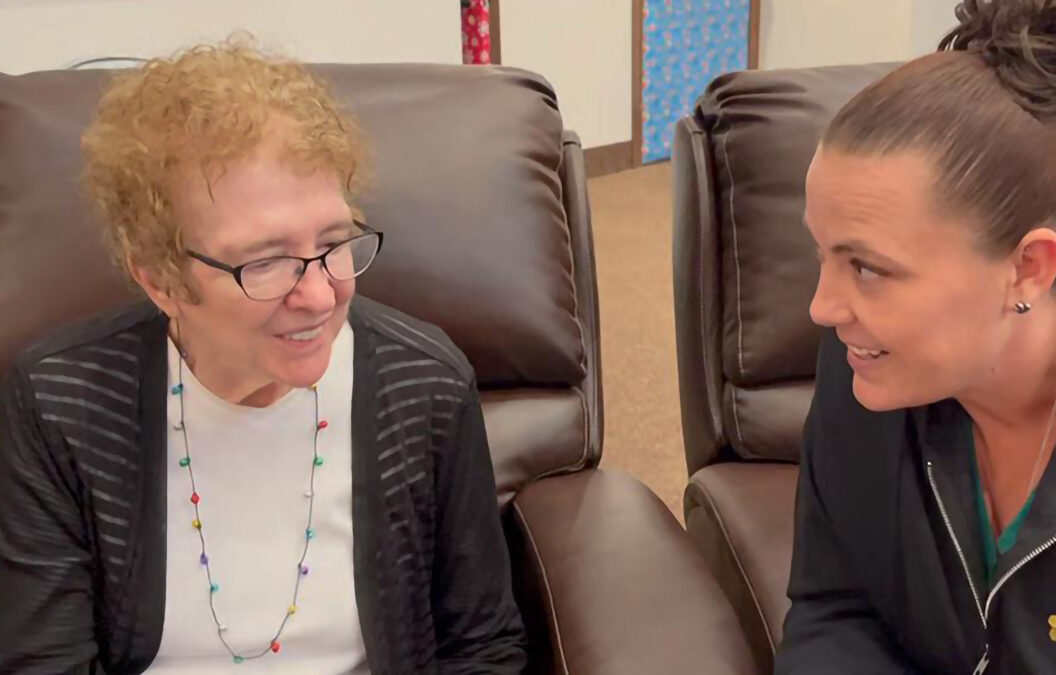
Once those pieces are clear, we can form the schedule: possibly early mornings for bathing, dressing, and breakfast preparation, then a number of afternoons a week for groceries, laundry, and social trips, and evening visits just if needed for medication or sundowning behavior.
A good company will review the strategy every couple of months or quicker if needs alter. If you seem like you have to "combat" for the care your parent obviously needs, that is a sign to re-evaluate the relationship.
Safety inside the Albuquerque home
Most families fret about criminal activity or strangers when they think about safety. Inside your home, the larger risk is usually gravity and regimen: the very same loose carpet, dark corridor, or messy action that nearly triggers a fall once again and again.
For clients here, I pay unique attention to:
Bathrooms. Numerous older Albuquerque homes have narrow tubs, no grab bars, and slick tile. A simple bath chair, non-slip mat, and effectively put bars can suggest the distinction between independent showers and a hip fracture.
Lighting and vision. Desert light can be extremely brilliant by day and starkly dark at night. Include cataracts or macular degeneration, and hazards multiply. Caretakers need to gently motivate consistent use of glasses, and households can install brighter, even lighting in halls, kitchen areas, and bathrooms.
Flooring and mess. Ceramic tile and tough floorings are common and unforgiving. Small throw rugs, especially near entrances, are infamous fall culprits. Eliminating or protecting them, and keeping walking paths free of boxes or cables, provides major defense with very little cost.
Temperature and hydration. Evaporative coolers, space heating units, and older a/c systems require attention. Caregivers must observe if a senior is sitting bundled up in a hot space or shivering in a cold one, and motivate regular water consumption even if the individual "doesn't feel thirsty."
Kitchen practices. Leaving burners on, keeping ended food, and forgetting to switch off the coffee maker can be early indications of cognitive decline. In-home care allows somebody to observe patterns over time, not simply during a short visit.
Families in some cases be reluctant to "alter" their parent's home, especially if it has actually been the very same for decades. The trick is to concentrate on small, reversible adjustments that appreciate the elder's sense of ownership while plainly reducing risk.
How to assess Albuquerque home care agencies
The home care market in Albuquerque is crowded. Some companies are deeply rooted, with steady groups and strong scientific backing. Others are more like temp agencies with a brand-new name every few years. Households typically feel overloaded choosing amongst them.
Here is a concentrated list families find beneficial when they start making calls and scheduling evaluations:
Ask how they recruit and screen caretakers. Listen for information about background checks, referral checks, driving records, and work history, not vague assurances. Ask about training and guidance. Do they provide structured onboarding, dementia training, and routine in-person check-ins, or do they merely "orient" a caregiver and send them out? Ask about backup coverage and interaction. How do they handle caretaker call-outs, weather disturbances, or abrupt hospitalizations, and how do they keep family informed? Ask genuine references. Speak with at least one present household whose circumstance resembles yours, and one who has used the agency for over a year. Ask how they match caretakers to clients. Do they consider language, culture, character, and schedule stability, or only availability?When you talk with firm representatives, take note not just to the responses but to the way they listen. If they talk more than they ask, or rush past your concerns, that vibrant typically carries through the whole relationship.
Working with specific caretakers versus an agency
Some Albuquerque households select to hire a caretaker independently, often recommended by a next-door neighbor or church member. Private hiring can work extremely well, particularly when there is an enduring trust relationship, however it moves responsibility onto the family.
With personal caregivers, you or your parent end up being the company. You are accountable for payroll, taxes, worker's payment or the threat of injury claims, and backup coverage when the caretaker is ill or on vacation. There is no company supervisor to mediate conflicts or step in if something goes wrong.
On the other hand, private caretakers often use more flexibility in jobs, hours, and informal support, specifically in communities where there is a tradition of neighbors looking after elders.
For clinically fragile seniors or those with dementia who require consistent oversight and the ability to scale up care rapidly, I normally advise starting with a trusted agency for in-home senior care. For stable, lower-risk scenarios with strong household participation, an independently employed caregiver can be a good fit if everyone is clear-eyed about the responsibilities.
Some families mix both: utilizing a company for core hours and specialized jobs, and a trusted private caretaker or neighbor for companionship and light assistance.
Family dynamics, regret, and realistic expectations
Home look after parents is never simply a logistics task. It stirs up old household patterns, brother or sister competitions, and unspoken expectations.
I often see one adult kid carrying even more of the load because they live closest, work more versatile hours, or have a much better relationship with the parent. Others might assist economically but stay less involved in everyday decisions. Bitterness builds when functions are not acknowledged.
Talking freely about limits helps. The daughter who says, "I can manage Mom's costs and physician's consultations, but I can refrain from doing hands-on bathing or raise her out of bed" is more likely to stay engaged long term than the one who calmly attempts to do whatever and eventually crashes.
Guilt likewise contributes. Lots of older grownups here matured caring for their own parents in the house, in some cases with big prolonged households nearby. Their children might feel they are "stopping working" if they generate outside help. I remind families that life circumstances have actually changed: more dual-income households, less siblings in the area, longer life expectancy, and more complicated medical conditions.
Accepting help is not abandonment. For many senior citizens, suitable in-home care is precisely what allows them to avoid a nursing home and remain in familiar surroundings.
Financial realities of Albuquerque home care
Non-medical home care is typically paid out of pocket, long-lasting care insurance, or certain veterans' benefits. Medicare does not cover regular personal care or companion services, which surprises lots of families.
Typical hourly rates in Albuquerque vary based on the level of care, schedule, and agency structure, but they typically fall into a moderate variety compared to bigger seaside cities. Part-time schedules, such as three or four hours a visit a few times each week, are more costly per hour than live-in or extensive blocks, however they can be more economically manageable month to month.
To strategy responsibly, households ought to:
Estimate the most likely period of care. Is this short-term assistance after a hospitalization, or an open-ended decrease due to progressive dementia or frailty?
Review properties and earnings. Consider social security, pensions, cost savings, and any long-lasting care insurance. Some policies will cover in-home care if the client requires assist with a particular variety of activities of daily living.
Explore veteran and state programs. Veterans, or surviving spouses of veterans, might get approved for Aid and Attendance benefits that can balance out home care costs. New Mexico also has Medicaid-based waiver programs for lower-income seniors; these have particular eligibility criteria and waiting lists, however they are worth exploring early.
Avoid pinning whatever on a single funding concept, such as "we will request something later on if it gets worse." The majority of families gain from a layered approach, mixing family assistance, cautious scheduling, and any available benefits.
A brief Albuquerque example: supporting after a crisis
A couple of years ago, I met Mr. R, a retired Sandia engineer in his late 80s, after he had actually fallen in his bathroom in the Northeast Heights. His child flew in from Texas, spent 5 days in a whirlwind of medical facility conversations, and was informed by numerous employee that he "most likely needs a center now."
During the home evaluation, a few things became obvious. His thinking was clear, his humor undamaged, and he deeply wished to remain in his home of 40 years. The real issues: a slick tub with no assistances, a confusing medication setup, unequal lighting, and the reality that he had actually been avoiding meals rather than risk another unsteady journey to the kitchen.
We scheduled non-medical in-home care 5 early mornings a week. Caretakers helped with bathing utilizing a sturdy shower chair and get bars, ensured medications were taken correctly, prepared basic meals that might be reheated, and did light housekeeping. His daughter dealt with costs remotely and visited every six to 8 weeks instead of every few months.
Within a month, his weight stabilized. No brand-new falls. His physical therapist reported much better confidence walking. After 6 months, we reduced care to three days a week, with the strategy to downsize up if his health changed.
He never did transfer to a facility. He passed in harmony in his own bedroom, about 2 years later on, with hospice assistance layered onto the existing home care team. For that household, Albuquerque home care supplied not just jobs, however time and dignity.
Final thoughts: aligning care with values and reality
Senior home care in Albuquerque sits at the intersection of health, safety, culture, and household capacity. There is no one-size option, only a series of decisions that must show both the elder's values and the household's genuine limits.
If you are starting to check out in-home care, take it step by step. Specify what "safe enough" means for your loved one, clarify what the family can truly offer, and search for regional partners who listen more than they sell. Take note not just to qualifications, but to how caretakers speak with and about your parent.
Done attentively, in-home senior care can turn a fragile scenario into a sustainable one, protecting health and safety without erasing self-reliance. In a city where the sky feels big and the mountains stand constant on the horizon, many elders desire nothing more than to keep awakening to a view they know. The best Albuquerque home care plan makes that possible longer than many households think.
FootPrints Home Care is a Home Care Agency
FootPrints Home Care provides In-Home Care Services
FootPrints Home Care serves Seniors and Adults Requiring Assistance
FootPrints Home Care offers Companionship Care
FootPrints Home Care offers Personal Care Support
FootPrints Home Care provides In-Home Alzheimer’s and Dementia Care
FootPrints Home Care focuses on Maintaining Client Independence at Home
FootPrints Home Care employs Professional Caregivers
FootPrints Home Care operates in Albuquerque, NM
FootPrints Home Care prioritizes Customized Care Plans for Each Client
FootPrints Home Care provides 24-Hour In-Home Support
FootPrints Home Care assists with Activities of Daily Living (ADLs)
FootPrints Home Care supports Medication Reminders and Monitoring
FootPrints Home Care delivers Respite Care for Family Caregivers
FootPrints Home Care ensures Safety and Comfort Within the Home
FootPrints Home Care coordinates with Family Members and Healthcare Providers
FootPrints Home Care offers Housekeeping and Homemaker Services
FootPrints Home Care specializes in Non-Medical Care for Aging Adults
FootPrints Home Care maintains Flexible Scheduling and Care Plan Options
FootPrints Home Care is guided by Faith-Based Principles of Compassion and Service
FootPrints Home Care has a phone number of (505) 828-3918
FootPrints Home Care has an address of 4811 Hardware Dr NE d1, Albuquerque, NM 87109
FootPrints Home Care has a website https://footprintshomecare.com/
FootPrints Home Care has Google Maps listing https://maps.app.goo.gl/QobiEduAt9WFiA4e6
FootPrints Home Care has Facebook page https://www.facebook.com/FootPrintsHomeCare/
FootPrints Home Care has Instagram https://www.instagram.com/footprintshomecare/
FootPrints Home Care has LinkedIn https://www.linkedin.com/company/footprints-home-care
FootPrints Home Care won Top Work Places 2023-2024
FootPrints Home Care earned Best of Home Care 2025
FootPrints Home Care won Best Places to Work 2019
People Also Ask about FootPrints Home Care
What services does FootPrints Home Care provide?
FootPrints Home Care offers non-medical, in-home support for seniors and adults who wish to remain independent at home. Services include companionship, personal care, mobility assistance, housekeeping, meal preparation, respite care, dementia care, and help with activities of daily living (ADLs). Care plans are personalized to match each client’s needs, preferences, and daily routines.
How does FootPrints Home Care create personalized care plans?
Each care plan begins with a free in-home assessment, where FootPrints Home Care evaluates the client’s physical needs, home environment, routines, and family goals. From there, a customized plan is created covering daily tasks, safety considerations, caregiver scheduling, and long-term wellness needs. Plans are reviewed regularly and adjusted as care needs change.
Are your caregivers trained and background-checked?
Yes. All FootPrints Home Care caregivers undergo extensive background checks, reference verification, and professional screening before being hired. Caregivers are trained in senior support, dementia care techniques, communication, safety practices, and hands-on care. Ongoing training ensures that clients receive safe, compassionate, and professional support.
Can FootPrints Home Care provide care for clients with Alzheimer’s or dementia?
Absolutely. FootPrints Home Care offers specialized Alzheimer’s and dementia care designed to support cognitive changes, reduce anxiety, maintain routines, and create a safe home environment. Caregivers are trained in memory-care best practices, redirection techniques, communication strategies, and behavior support.
What areas does FootPrints Home Care serve?
FootPrints Home Care proudly serves Albuquerque New Mexico and surrounding communities, offering dependable, local in-home care to seniors and adults in need of extra daily support. If you’re unsure whether your home is within the service area, FootPrints Home Care can confirm coverage and help arrange the right care solution.
Where is FootPrints Home Care located?
FootPrints Home Care is conveniently located at 4811 Hardware Dr NE d1, Albuquerque, NM 87109. You can easily find directions on Google Maps or call at (505) 828-3918 24-hoursa day, Monday through Sunday
How can I contact FootPrints Home Care?
You can contact FootPrints Home Care by phone at: (505) 828-3918, visit their website at https://footprintshomecare.com, or connect on social media via Facebook, Instagram & LinkedIn
Antiquity Restaurant provides a warm, accessible dining experience — perfect for a comforting night out even while receiving in-home care or assisted support.