Business Name: FootPrints Home Care
Address: 4811 Hardware Dr NE d1, Albuquerque, NM 87109
Phone: (505) 828-3918
FootPrints Home Care
FootPrints Home Care offers in-home senior care including assistance with activities of daily living, meal preparation and light housekeeping, companion care and more. We offer a no-charge in-home assessment to design care for the client to age in place. FootPrints offers senior home care in the greater Albuquerque region as well as the Santa Fe/Los Alamos area.
4811 Hardware Dr NE d1, Albuquerque, NM 87109
Business Hours
Monday thru Sunday: 24 Hours
Facebook: https://www.facebook.com/FootPrintsHomeCare/
Instagram: https://www.instagram.com/footprintshomecare/
LinkedIn: https://www.linkedin.com/company/footprints-home-care
Keeping an older adult safe and thriving at home is not about something succeeded. It has to do with a variety of small, crucial jobs that must fit together: meals on time, pills taken correctly, bathing without falls, skin kept healthy, and modifications discovered early. In well-run at home senior care, nutrition, medication, and hygiene are not different checkboxes. They form a single rhythm of care.
I have actually seen households manage wonderfully with modest expert assistance, and I have seen things unwind when those 3 areas are treated in seclusion. The difference is typically coordination. Not more hours, not more technology, but clearer regimens, better communication, and shared expectations.
This is particularly true when seniors are figured out to age in place and families are comparing alternatives for home care for parents, whether in a large metro area or somewhere like Albuquerque, where adult children may live across town or in another state totally. The best senior home care team works as a system around your parent, even if their visits are staggered and some members are only there once a month.
Below is how strong teams in fact collaborate nutrition, medication, and hygiene in real homes, with the trade-offs and useful realities that families hardly ever see on a brochure.
Starting point: a realistic photo of life at home
Before any routine can be designed, the group requires a truthful view of what your parent is doing, and not doing, by themselves. Agencies utilize various assessment tools, however the compound is similar.
A great nurse or care supervisor does not begin with a clipboard at the cooking area table. They start by silently seeing how your parent moves through their space. Does they hold onto furnishings as they walk from living room to kitchen area. How far is the restroom from the bedroom. Exist grab bars, decent lighting, non-slip mats. Is the refrigerator full of actual food or mostly ended leftovers.
Conversation then fills out what observation can not: what your parent believes they are capable of, what they value most, and where they are already making trade-offs. An 88-year-old might demand bathing themselves, for instance, but confess they just shower when a week since they hesitate of falling. Or they may "never miss a dosage" of medication, yet their pill organizer shows Tuesday and Wednesday still full on Thursday afternoon.
At this phase, nutrition, medication, and hygiene are mapped together. For instance:

- Poor cravings might be connected to nausea from a new blood pressure medication. Refusal to bathe might connect to joint pain that is likewise limiting grocery shopping and cooking. Dehydration might be raising the risk of urinary tract infections, which in turn increase confusion and medication errors.
The evaluation is less about single issues than about patterns, due to the fact that efficient elder care in the home depends on understanding how one issue ripples into the next.
Building a care plan that really holds together
The written care plan is where coordination ends up being visible. It is even more than "prepare lunch" or "assist with shower twice weekly." When succeeded, it functions as a script and a safety net for everybody included: caregivers, nurses, therapists, and family.
A strong plan that incorporates nutrition, medication, and hygiene generally has a couple of common features:
First, it sets top priorities. Possibly the physician is worried about unchecked diabetes, while the child is most anxious about falls in the restroom, and the senior just wants to keep cooking as long as possible. The care manager needs to rank what can not wait, what can bend, and how to address several objectives with one change. For instance, a shower chair with a hand-held shower not only minimizes fall danger however also decreases fatigue, which can improve appetite and the ability to prepare simple meals.
Second, it puts jobs on a timeline that makes sense for the body, not simply the schedule. Lots of medications should be taken with food, or at least not on an empty stomach. That suggests the plan might call for a light snack before the early morning pill routine, or for the caretaker to prepare breakfast, then timely medications before leaving. Hygiene can be placed where energy is greatest. Some seniors endure a complete shower only in mid-morning, after coffee and a small meal, not at the end of an exhausting day.
Third, it appoints functions clearly. In a normal in-home care arrangement, you may have individual caregivers handling everyday visits, a proficient nurse dropping by weekly for medication management, and possibly a physiotherapist twice a week. The strategy ought to define, for instance, that the nurse will reconcile medications with the doctor's orders and upgrade the tablet organizer, while caregivers will document dosages taken and any negative effects noted during or after meals.
Families are typically amazed at how detailed a good plan can be. It might define how to encourage fluids during breakfast (favorite mug, half-strength juice if plain water is done not like), the exact order of steps in a shower to decrease standing time, or how to place tablets and water to accommodate tremblings from Parkinson's illness. The point is not intricacy for its own sake. It is consistency. Consistency is what keeps your parent stable across shifts and across weeks.
Daily reality: how caretakers mix tasks in the home
From the caregiver's perspective, coordination happens minute by minute. They walk into your house with a list of tasks, however the art depends on weaving them together without making your parent feel rushed or patronized.
A common early morning visit in senior home care might look something like this, with nutrition, medication, and hygiene intertwined rather than separated:
The caretaker arrives and checks in with your parent about sleep, pain, and any overnight modifications. Those few minutes of conversation are not small talk. They are a fast scientific screen. Poor sleep or new lightheadedness may require extra care in the shower or closer tracking after medications.
While coffee or tea is brewing, the caregiver might guide your parent through a quick bathroom visit, handwashing, and tooth brushing. This supports hygiene while the cooking area work starts. They might then prepare a basic, familiar breakfast, bearing in mind any constraints such as low-sodium or carb regulated cooking. Throughout this time, they silently scan the refrigerator and pantry, noting food quality, expired products, and what staples are running low.
Once your parent is seated and eating, the caretaker checks the medication organizer and care notes from previous shifts. If morning medications are suggested to be taken mid-meal to avoid queasiness, that timing is followed, and the caregiver stays nearby to verify each tablet is in fact swallowed. They record any refusal or complaints, maybe a new cough or headache, which may be related to medication or dehydration.
After breakfast and medication, hygiene support can be scaled to the agreed level of support. Some clients just need standby help for safety, others require full hands-on support with bathing, dressing, and grooming. The caregiver reminds your parent to utilize the toilet before showering to minimize seriousness mishaps during bathing, then establishes the environment: non-slip mat, towel within easy reach, get bars looked for sturdiness, water temperature tested. They protect skin with mild soaps and comprehensive but soft drying, paying extra attention to skin folds, pressure points, and any known problem areas.
Throughout, the caretaker is multi-tasking psychologically. They are expecting shortness of breath in the shower, which may be a sign of heart failure worsening. They are keeping in mind whether your parent can raise their arms to clean their hair, which matters not simply for hygiene but for the capability to dress individually. They are examining whether swallowing tablets seems more difficult today, which might affect nutrition if chewing and swallowing are ending up being tough with food as well.
By the time the visit ends, the caregiver has actually touched all 3 domains, left the home cleaner and much safer than they discovered it, and included fresh, accurate notes that the remainder of the home care group will rely on.
Medication management: the foundation of stability
Medication issues are among the most common factors older adults land in the hospital. In home care, managing pills securely is not optional. It is main to keeping your parent at home.
A couple of practices separate typical in-home care from really safe elder care in this area.
Medication reconciliation is the very first. At the start of services, and whenever your parent sees a brand-new medical professional, the nurse or care manager must compare every present prescription bottle, non-prescription solution, and supplement with the medication list in the medical record. Discrepancies are common. Possibly a specialist increased a dose but the medical care list was never updated. Maybe your parent stopped a medication weeks back because it made them woozy, however the pharmacy keeps auto-filling it.
Pill company should fit the person. Weekly tablet coordinators are common, however not constantly ideal. For somebody with cognitive disability, private dosage loads that integrate all early morning tablets in one sealed package can lower errors. For another person with arthritis, large, easy-open bottles and a caregiver-led setup once a week might be better. In all cases, the system requires to link medication times with meals and hygiene regimens so they feel natural instead of intrusive.
Monitoring adverse effects means caregivers are trained to connect symptoms with prospective medication concerns. Increased confusion might signify a urinary tract infection, but it can also reflect anticholinergic adverse effects from certain allergic reaction or bladder medications. Irregularity is not just a convenience concern. It can reduce cravings, interfere with proper absorption of other meds, and increase fall threat during straining.
Communication loops matter just as much as the tablets themselves. In a well-run senior home care program, caretakers do not just note "meds taken" and proceed. They are expected to report patterns: repeated rejections of a bitter-tasting pill, lightheadedness within an hour of high blood pressure doses, queasiness that suppresses appetite. The nurse then communicates this to the recommending clinician, who might change timing, dosage, or even the medication itself.
Families in some cases underestimate just how much medication management shapes both nutrition and hygiene. For example, sedating medications make an early morning shower dangerous. Pain badly managed overnight minimizes cravings at breakfast. Diuretics provided late in the day increase nighttime bathroom trips, which in turn cause tiredness and avoided morning tasks. Care groups that believe in systems, not silos, prepare around these effects.
Nutrition: more than calories and recipes
In elder care, nutrition has to do with preserving strength, avoiding problems, and making daily life more enjoyable. Weight reduction, muscle wasting, and dehydration undercut every other aspect of care, from injury recovery to mood.
In-home senior care service providers take a look at nutrition on numerous levels.
At the most standard, can your parent access and prepare food. That includes the useful actions lots of people forget to ask about: reading labels with aging eyes, raising pots, standing enough time at the range, and chewing safely with aging teeth or dentures. A frail senior living alone in Albuquerque, for instance, may count on meals-on-wheels deliveries for the main hot meal, with caretakers concentrating on breakfast, hydration, and light night snacks that fit their choices and prescriptions.
Beyond logistics, caregivers try to work with instead of against long-standing food routines. Informing a 90-year-old who has eaten red chile with whatever for 70 years that they need to all of a sudden follow a dull cardiac diet seldom works. A more reasonable technique is portion control, steady spices modifications, or including herbs and citrus instead of salt. Caregivers may prepare smaller, more frequent meals for somebody on diuretics who feels too complete or short of breath after large portions.
Medication routines frequently determine timing and composition of meals. Certain high blood pressure meds, for example, might intensify lightheadedness if taken without adequate fluid. Blood slimmers interact with vitamin K abundant foods, which does not mean banning green veggies however keeping consumption consistent. Diabetes management depends heavily on not just what is eaten but when, in relation to insulin or other medications. Coordination here is not theoretical. It is setting up on the ground so that breakfast and tablets occur in a safe sequence.
Hydration should have unique attention. Numerous older adults deliberately consume less to prevent frequent bathroom journeys, especially if they feel unsteady. That option increases infection risk, aggravates irregularity, and can compound side effects from medications. Experienced caregivers deal with the fear behind the habits by combining hydration strategies with toileting support and restroom safety measures.
Hygiene and self-respect: safety without infantilizing
Hygiene in senior home care has to do with far more than keeping somebody looking https://knoxercm071.timeforchangecounselling.com/home-care-vs-assisted-living-how-to-conduct-a-care-requirements-evaluation neat. It has to do with maintaining skin integrity, avoiding infections, maintaining comfort, and protecting dignity.
Assessing hygiene requirements begins with understanding what your parent is genuinely able to do on their own. There is a huge distinction between an individual who needs aid entering the tub but can still clean and dry themselves, and somebody who can not safely stand at all. The objective is always to preserve the maximum possible independence while quietly avoiding harm.
Care teams normally adjust hygiene routines to energy levels and safety concerns. For instance, someone with severe arthritis may shower every other day instead of daily, with additional attention to day-to-day "top and tail" cleaning, incontinence care, and oral hygiene. An individual with heart failure who gets out of breath with warm showers might do better with shorter, lukewarm showers and seated sponge baths on alternate days.
Environmental adjustments can make or break success. Get bars, shower chairs, handheld shower heads, non-slip surface areas, and even easy things like clear courses to the bathroom decrease the physical load on both the senior and the caretaker. In regions with hard water, including parts of New Mexico, gentle soaps and routine moisturizers help neutralize dryness that can result in skin breakdown.
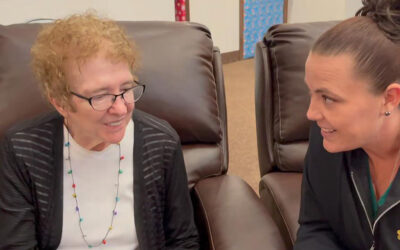
Dignity is non-negotiable. Trained home caretakers find out to tell what they are doing, keep the individual covered as much as possible, and deal choices within the routine: which shampoo, which towel, whether to shave before or after the shower. They also learn when to step back. If your parent is still safe washing their face while seated, the caregiver must let them do it, even if it takes longer. That small act of autonomy often translates into much better mood, much better appetite, and more cooperation with care overall.
How groups in fact collaborate: communication habits that work
From the outdoors, families see specific visits. From the inside of a high-functioning agency, coordination rests on disciplined interaction, both formal and informal.
Daily documentation is the backbone. Caretakers tape what was done, what was eaten, which medications were taken or declined, and any modifications in mobility, state of mind, or condition. In modern-day home care, this is typically participated in an electronic system in real time. A nurse or care supervisor then reviews notes routinely and looks for patterns: steady weight reduction, repeated missed out on supper doses, or increasing resistance to bathing.
Verbal handoffs between caregivers can be just as essential as written notes. A quick telephone call or face-to-face update during a shift overlap might cover things that are difficult to capture in paperwork, such as, "She did better when I used her pills with yogurt instead of water," or "He is more cooperative with showers if we play his favorite music."

Regular case evaluations, in some cases called interdisciplinary group meetings, aid line up the wider team. For a complex client, the nurse, caretakers, and often a dietitian or therapist might go over modifications together. For instance, if a customer repeatedly feels too fatigued for afternoon showers, the group might move bathing to mornings, a little adjust meal timing, and ask the medical professional about tweaking medication schedules to lower mid-day sedation.
Family involvement reinforces or weakens this entire system. When adult kids in Albuquerque or in other places respond quickly to concerns, participate in occasional care conferences by phone or video, and keep providers notified about brand-new medical diagnoses or medical facility visits, the care strategy stays reasonable and safe. When relative independently bypass concurred regimens, such as doubling up on medications or considerably altering diet plans without seeking advice from the nurse, coordination fractures.
When something is off: warnings families need to watch
Families do not require to micromanage care, but they should take notice of a couple of key signals that coordination might be slipping.
Here are practical indication:
Pill bottles stay complete, yet your parent declares to never miss out on a dose. You observe brand-new bruises, skin breakdown, or strong body odor, in spite of regular caregiver visits. Weight drops noticeably over a month or more, or clothes start hanging loose. Your parent appears far more confused or unstable after certain visits, or at specific times of day. Different workers give contrasting responses about who handles medications or who is responsible for bathing.Any of these can be dealt with, however just if raised. A direct conversation with the agency's nurse or care manager, grounded in particular observations, generally results in a clearer plan and often to re-training or reassigning staff.
Making coordination genuine in your parent's home
For households looking at in-home look after parents, particularly in neighborhoods where many senior citizens wish to age in the house, such as Albuquerque, a few concrete questions help expose how well a potential supplier collaborates these vital areas.
You might ask how they develop care plans that link meals, medication times, and hygiene regimens. Ask who is eventually accountable for medication reconciliation and how often it is reviewed. Ask what training caregivers receive on nutrition, skin care, and acknowledging early signs of infection or drug reactions. And ask how they loop families into changes, both urgent and gradual.
The best providers of home care and elder care do not ensure that your parent will never ever skip a meal, balk at a shower, or forget a pill. Real life does not work that nicely. What they can use is a thoughtful, versatile system that notifications rapidly, comprehends the connections amongst nutrition, medication, and hygiene, and changes with your parent's changing requirements and preferences.
That type of coordination is not attractive, but it is typically what keeps an older grownup not only in your home, however living there with convenience, dignity, and as much independence as their health allows.
FootPrints Home Care is a Home Care Agency
FootPrints Home Care provides In-Home Care Services
FootPrints Home Care serves Seniors and Adults Requiring Assistance
FootPrints Home Care offers Companionship Care
FootPrints Home Care offers Personal Care Support
FootPrints Home Care provides In-Home Alzheimer’s and Dementia Care
FootPrints Home Care focuses on Maintaining Client Independence at Home
FootPrints Home Care employs Professional Caregivers
FootPrints Home Care operates in Albuquerque, NM
FootPrints Home Care prioritizes Customized Care Plans for Each Client
FootPrints Home Care provides 24-Hour In-Home Support
FootPrints Home Care assists with Activities of Daily Living (ADLs)
FootPrints Home Care supports Medication Reminders and Monitoring
FootPrints Home Care delivers Respite Care for Family Caregivers
FootPrints Home Care ensures Safety and Comfort Within the Home
FootPrints Home Care coordinates with Family Members and Healthcare Providers
FootPrints Home Care offers Housekeeping and Homemaker Services
FootPrints Home Care specializes in Non-Medical Care for Aging Adults
FootPrints Home Care maintains Flexible Scheduling and Care Plan Options
FootPrints Home Care is guided by Faith-Based Principles of Compassion and Service
FootPrints Home Care has a phone number of (505) 828-3918
FootPrints Home Care has an address of 4811 Hardware Dr NE d1, Albuquerque, NM 87109
FootPrints Home Care has a website https://footprintshomecare.com/
FootPrints Home Care has Google Maps listing https://maps.app.goo.gl/QobiEduAt9WFiA4e6
FootPrints Home Care has Facebook page https://www.facebook.com/FootPrintsHomeCare/
FootPrints Home Care has Instagram https://www.instagram.com/footprintshomecare/
FootPrints Home Care has LinkedIn https://www.linkedin.com/company/footprints-home-care
FootPrints Home Care won Top Work Places 2023-2024
FootPrints Home Care earned Best of Home Care 2025
FootPrints Home Care won Best Places to Work 2019
People Also Ask about FootPrints Home Care
What services does FootPrints Home Care provide?
FootPrints Home Care offers non-medical, in-home support for seniors and adults who wish to remain independent at home. Services include companionship, personal care, mobility assistance, housekeeping, meal preparation, respite care, dementia care, and help with activities of daily living (ADLs). Care plans are personalized to match each client’s needs, preferences, and daily routines.
How does FootPrints Home Care create personalized care plans?
Each care plan begins with a free in-home assessment, where FootPrints Home Care evaluates the client’s physical needs, home environment, routines, and family goals. From there, a customized plan is created covering daily tasks, safety considerations, caregiver scheduling, and long-term wellness needs. Plans are reviewed regularly and adjusted as care needs change.
Are your caregivers trained and background-checked?
Yes. All FootPrints Home Care caregivers undergo extensive background checks, reference verification, and professional screening before being hired. Caregivers are trained in senior support, dementia care techniques, communication, safety practices, and hands-on care. Ongoing training ensures that clients receive safe, compassionate, and professional support.
Can FootPrints Home Care provide care for clients with Alzheimer’s or dementia?
Absolutely. FootPrints Home Care offers specialized Alzheimer’s and dementia care designed to support cognitive changes, reduce anxiety, maintain routines, and create a safe home environment. Caregivers are trained in memory-care best practices, redirection techniques, communication strategies, and behavior support.
What areas does FootPrints Home Care serve?
FootPrints Home Care proudly serves Albuquerque New Mexico and surrounding communities, offering dependable, local in-home care to seniors and adults in need of extra daily support. If you’re unsure whether your home is within the service area, FootPrints Home Care can confirm coverage and help arrange the right care solution.
Where is FootPrints Home Care located?
FootPrints Home Care is conveniently located at 4811 Hardware Dr NE d1, Albuquerque, NM 87109. You can easily find directions on Google Maps or call at (505) 828-3918 24-hoursa day, Monday through Sunday
How can I contact FootPrints Home Care?
You can contact FootPrints Home Care by phone at: (505) 828-3918, visit their website at https://footprintshomecare.com, or connect on social media via Facebook, Instagram & LinkedIn
Conveniently located near Cinemark Century Rio Plex 24 and XD, seniors love to catch a movie with their caregivers.