Business Name: FootPrints Home Care
Address: 4811 Hardware Dr NE d1, Albuquerque, NM 87109
Phone: (505) 828-3918
FootPrints Home Care
FootPrints Home Care offers in-home senior care including assistance with activities of daily living, meal preparation and light housekeeping, companion care and more. We offer a no-charge in-home assessment to design care for the client to age in place. FootPrints offers senior home care in the greater Albuquerque region as well as the Santa Fe/Los Alamos area.
4811 Hardware Dr NE d1, Albuquerque, NM 87109
Business Hours
Monday thru Sunday: 24 Hours
Facebook: https://www.facebook.com/FootPrintsHomeCare/
Instagram: https://www.instagram.com/footprintshomecare/
LinkedIn: https://www.linkedin.com/company/footprints-home-care
Families do not plan for senior care in neat phases. Requirements shift after a fall, when medications change, or when someone gets lost walking a familiar block. The decision between home care, assisted living, and memory care rarely arrive on a spreadsheet alone. It comes down to everyday realities, dignity, and security. I have sat at kitchen tables with adult kids comparing costs on note pads while their mother quietly made tea without turning on the range. The ideal fit typically becomes clear when you imagine a day in that individual's life and test whether a setting can support it reliably.
This guide walks you through how each alternative works, what you can expect daily, and how to weigh expense, control, and quality. It blends practical checklists with on-the-ground details: how caretakers deal with sundowning, what in fact occurs at 2 a.m. when an alarm sounds, and why meal regimens matter more than the majority of people think. If you are thinking about in-home senior care, an assisted living neighborhood, or a specialty memory care program, the differences listed below objective to help you choose with confidence.

What "home care," "assisted living," and "memory care" really mean
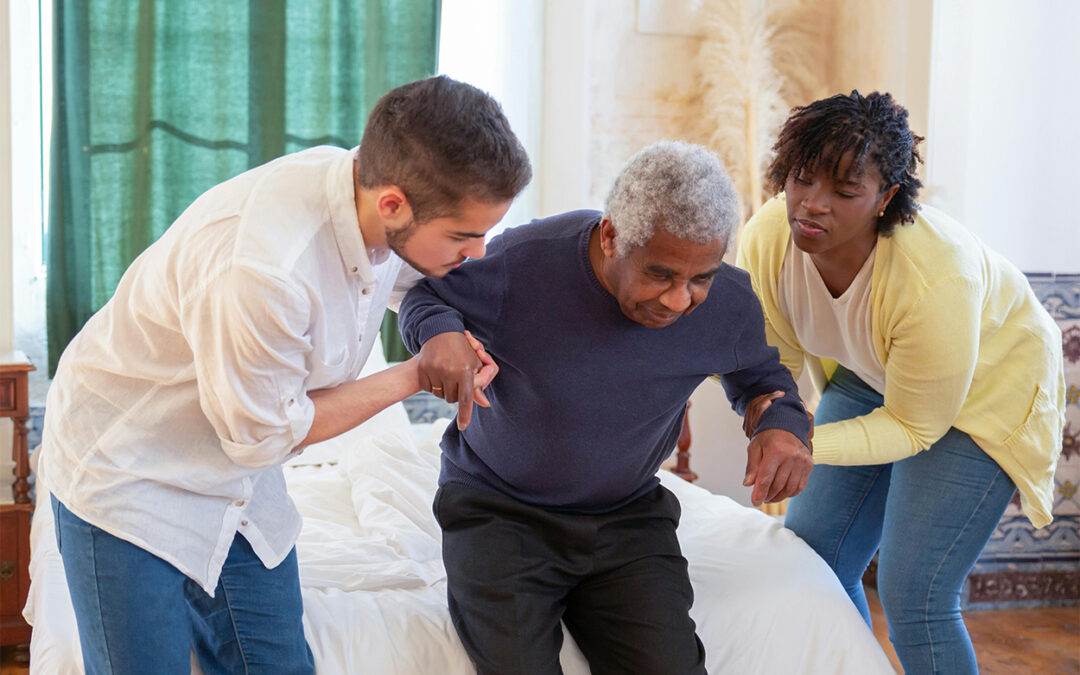
Home care, typically called in-home care or senior home care, brings support into the personal home. A senior caretaker may aid with bathing, dressing, light housekeeping, meal preparation, errands, companionship, and sometimes medication tips under state guidelines. It is nonmedical care. Knowledgeable nursing jobs like injections or wound care need a home health nurse, which is a separate service, often overlapping. Home care can be as little as three hours twice a week or as much as 24 hours a day with rotating caregivers.
Assisted living is a residential setting, usually an apartment or condo or suite with a personal bath and small kitchen area, where staff supply assist with activities of daily living and offer meals, housekeeping, transportation, and social programs. Nurses are on staff or on call, but it is not a medical facility like a nursing home. Locals keep some independence while getting foreseeable, routine support.
Memory care is a specific kind of assisted living for people with Alzheimer's or other dementias. It adds protected layouts, greater staffing ratios, staff training in dementia communication, purpose-built common spaces, and shows aligned with cognitive capability. The objective is to decrease distress and make the most of remaining abilities while keeping homeowners safe around the clock.
There is overlap, and real-world flexibility. A person with mild dementia might grow at home with eight hours of elderly home care a day and a GPS door sensor. Another may need memory care within months after roaming during the night. A couple may move into assisted living together to simplify meals and housekeeping, while one partner accepts discreet aid with bathing that was getting risky at home.
A day in each model
I discover it useful to picture a 24-hour cycle. That is where friction points surface.
At home with in-home care, early mornings normally start with a caretaker coming to a scheduled time. In a three-hour early morning shift, the caretaker may assist with a shower, lay out clothing, prepare oatmeal, cue medications, start laundry, then clean the kitchen. If the individual naps after lunch, you may set up the second shift in early evening for supper and clean-up. Nights are either covered by a member of the family or a different overnight caregiver. The rhythm bends to the person's habits. The trade-off is coverage. If mom wanders at 3 a.m., and no one exists, technology notifies or neighbors might be your safety net.
In assisted living, breakfast is served in the dining-room from, say, 7 to 9 a.m. Personnel come over to assist homeowners who require cueing or hands-on help to prepare. Housekeeping check outs weekly. There is a posted activity calendar, often including workout, crafts, live music, and getaways. Medication passes take place one to 4 times a day depending on the program. If somebody does disappoint up for lunch, staff will inspect. Nights can be social or peaceful, and there is awake staff over night if a resident requirements help to the bathroom.
Memory care adjusts the day with more structure. Mornings may begin with a coffee circle where personnel use red mugs due to the fact that high-contrast colors hint awareness. Music or gentle exercise follows, often short and repeatable. Meals are served in smaller dining rooms with less choices to lower decision tiredness. Entrances may be camouflaged or secured for safety, and outside yards are confined. Nights are in some cases active. Staff trained in dementia care usage recognition, redirection, and familiar regimens to settle agitation, rather than restraining behavior. The goal is dignity with safety while accepting that memory modifications how time flows.
Choosing based on requirements, not just labels
Labels can misguide. I have actually known independent people in their late eighties who stayed home safely with 4 hours of senior home care everyday and a medical alert device, because the design was basic, the bathroom had a walk-in shower, and their daughter lived 10 minutes away. I have also seen a spry 74-year-old with frontotemporal dementia who needed memory care early, not for physical requirements but for impulsivity and hazardous behavior in public.
An honest requirements evaluation is the best starting point. Look beyond "Is she safe?" to "How is she safe?" Does she refuse showers? Forget to consume? Blend tablets? Leave the gas on? Snap at help? Fall? Does she open the door to anyone? Does she need friendship to keep a regimen? Are nights peaceful or unpredictable? The care setting needs to match the pattern you observe, not the aspirational ideal.
Costs in genuine numbers and what drives them
Costs differ by region and by the specifics of care. A few grounded varieties assist frame decisions.
Home care is typically billed hourly. In many markets, respectable companies charge around 28 to 40 dollars per hour. Live-in arrangements can lower the hourly equivalent however featured guidelines about sleep time and protection. 24/7 care with an agency typically reaches 18,000 to 25,000 dollars monthly because you are paying for numerous caretakers across 3 shifts. Households often mix agency hours with personal hires to handle expenses, though that shifts payroll, taxes, and liability to the family.
Assisted living normally charges a base month-to-month cost for real estate, meals, housekeeping, and activities, then adds a care level charge based on needs such as bathing assistance or medication management. National averages frequently land in between 4,000 and 7,500 dollars monthly, with city centers greater. If requirements increase, care tiers can add hundreds or thousands monthly.
Memory care is higher due to staffing and security. Normal ranges range from 6,000 to 10,000 dollars monthly, sometimes more in city locations. The staffing ratio may be one caretaker to 6 or eight homeowners by day, tighter than assisted living, which may run one to twelve or more. That ratio is a significant cost driver, and it shows up in the quality of interactions.
Medicare does not pay for custodial care in any of these settings. It covers time-limited medical services, like home health after a hospital stay, rehab, or hospice. Long-term care insurance coverage, if in force, may aid with home care, assisted living, or memory care, depending upon the policy. Some states provide Medicaid waivers that can offset expenses, but eligibility and waitlists vary. Veterans and making it through spouses might get approved for Help and Presence. Be prepared to combine sources or phase care over time to align with budget.
Safety and autonomy, a delicate balance
A safe environment that strips away autonomy backfires. Individuals resist, and care ends up being adversarial. In the house, small changes go a long way. Remove throw carpets, include grab bars, raise the toilet seat, raise seating height, and utilize lever deals with. Think about a clever range shutoff, motion-sensing nightlights, and a door chime. A senior caretaker who knows the individual's life story can use discussion to cue steps in a job without taking over, which protects pride.
In assisted living, pay attention to the apartment area relative to dining and activities. A corridor that is too long prevents involvement. Inquire about how staff prompt citizens who isolate. Observe whether staff knock and present themselves. These are finer grained signals of respect that associate with a culture of autonomy.
Memory care environments should feel clear, not institutional. Clear sight lines, repeated cues, and familiar things lower agitation. I search for shadow boxes outside rooms with photos and mementos that assist locals find their door. Watch a mealtime. Do people eat? Are there adaptive utensils? Are staff seated at tables or hovering? Meals are three times a day truth checks.
When home care makes the most sense
Home care stands out when regimens are solid and dangers are manageable with assistance. Somebody who wishes to age in place, who still takes joy in their garden, coffee mug, and early morning news, may do effectively with at home senior care. It is especially effective for:
- Task-based needs like bathing, dressing, or meal preparation, where a couple of focused hours daily make it possible for independence. Recovery periods after hospitalization when the objective is to restore strength while preventing another fall. Early cognitive modifications, paired with constant caretakers and environmental safeguards, before roaming or nighttime agitation escalates.
The biggest benefits are connection and control. Households choose the caregiver personality, protect community ties, and keep animals and familiar regimens. You can scale up or down as requirements change. Drawbacks consist of spaces in between shifts, the requirement to handle schedules, and the reality that complete 24-hour protection in your home becomes pricey unless household fills some hours.
A pair of useful information make home care prosper. Initially, a routine schedule with the very same two or three caregivers constructs trust. Constant rotation undermines the relationship. Second, align hours to energy and danger. For lots of people with dementia, early mornings are clearer and nights hard. Stack support where it does the most good. A home care service with strong scheduling and a backup prepare for call-offs is important. Ask them how many minutes they offer themselves in between customers, because difficult schedules produce late arrivals.
When assisted living is the much better fit
Assisted living works best when day-to-day structure and some social stimulation would help, and when care needs are more continuous than a few hours can cover in your home but not so specialized that memory care is needed. It matches people who:
- Are lonesome or avoiding meals at home, and would gain from regular dining and light oversight. Need discreet aid with bathing, dressing, and medications, however can still browse a home and take part in basic activities. Prefer to be done with housekeeping, snow, and home maintenance, and want a supportive community.
Good communities feel alive. On a Tuesday afternoon you should see a resident committee conference, exercise class under way, and an employee greeting homeowners by name. See the front desk. An alert receptionist who acknowledges citizens and visitors and who requests sign-ins silently signals order. If you tour at 6 p.m., you need to see enough personnel on the flooring, not an empty lobby. Night protection matters more than the majority of sales brochures admit.
A trade-off in assisted living is relinquishing some control over schedule and food. Dining windows are versatile, however not infinite. If somebody is particular or requires special textures, request menu examples and how they deal with substitutions. Apartment or condos differ in size. A reasonable floor plan is better than clinging to furnishings that makes mobility harmful. Households in some cases move excessive stuff, then suffer tight quarters. Err on the side of walkable space.
Who requires memory care, and when to move
Families often wait too long to think about memory care, hoping home care or assisted living can stretch. Often it can. The tipping points I search for are consistent: risky exits, intensifying nighttime habits, medication rejection coupled with agitation, regular delusions resulting in conflict, and physical aggressiveness that staff in basic assisted living are not trained to manage. Wandering by itself is not always decisive, however roaming plus bad judgment in traffic is.
Memory care ought to calm the environment. Staff training makes a visible distinction. Ask how they handle a resident who insists he needs to go to work. The best responses involve validation and a purposeful task, not confrontation. Inquire about bathing methods, because the bathroom is the arena for most rejections. Look at staffing by shift. Ratios at 2 p.m. and 2 a.m. both matter, considering that sundowning typically peaks at night. Outdoor area needs to be accessible and really used, not simply a locked patio.
If your loved one withstands, steady shifts can help. Start with respite stays of two to four weeks. Bring the familiar chair, quilt, and images, not the whole house. Visit at various times for brief durations, and let personnel coach you on when to step back. A warm handoff from the home caregiver to the memory care personnel smooths the modification, particularly if they share routines that work, like singing a specific song before showers.
Quality signals that do not show up in brochures
A polished tour can mask problems. The much deeper indicators appear in regular minutes. During a visit, watch how personnel speak with each other. Respectful teamwork correlates with calm interactions with homeowners. Try to find call bells. Are they responded to promptly? Listen for duplicated alarms. Chronic beeping indicates insufficient hands or bad systems.
Food is an anchor. Sit in the dining-room. Are plates appetizing and warm? Are individuals eating or pushing food around? Hydration is often neglected. Ask how they motivate fluids between meals, specifically for people who do not ask.
For home care, demand a meet-and-greet with the appointed caretakers before the first shift. Review a simple care strategy at the kitchen area table. Include little preferences: the favorite mug, the right water temperature level for showers, the TV channel that relaxes. These information prevent friction. Validate the firm's process for medication pointers, which are governed by state guidelines. In some states, caretakers can only cue and observe. Clearness prevents overstepping.
For assisted living and memory care, demand the state survey or evaluation report. Every facility has issues; you wish to see that they remedy them rapidly. Ask the number of residents they have actually vacated in the previous year and why. High turnover can be a warning for pushing the limits of who they can safely support.
Staffing truths and what they imply at 2 a.m.
Staffing is the foundation of care. Ratios are one metric, but acuity matters more. Ten residents who need light cueing are not the like ten who require two-person transfers. Ask about the highest-acuity wing and how they balance tasks. In memory care, personnel needs to be really awake during the night. Sleeping staff are a safety danger. Walk the halls with a manager at night if you can, and expect active engagement.
For home care, ask how they handle call-offs. If the designated caretaker is ill at 6 a.m., what happens? Agencies with a staffed scheduler overnight can recuperate. Smaller companies may have a hard time. Also ask about training and guidance. Excellent agencies do periodic supervisory gos to in the home to coach and change care plans. If you never see a supervisor, you are missing a layer of oversight.
Turnover is endemic in caregiving, however how management reacts matters. Commemorate fantastic caretakers with recognition. A household who leaves handwritten notes and thanks sees much better continuity than one who treats the caretaker as undetectable. This is not about tipping, though small holiday gifts are frequently allowed. It has to do with shared respect that maintains excellent people.
Blending alternatives to match real life
Pure options are unusual. Lots of families utilize a blend to phase care or match spending plan. Somebody might begin with 3 mornings a week of elderly home look after showers and breakfast. When that no longer is sufficient, they relocate to assisted living while keeping a personal caretaker two evenings a week for one-on-one assistance. In early dementia, adult day programs are a powerful happy medium, offering 6 to 8 hours of structure and socialization, while enabling the individual to sleep in their own bed. Pair day programs with short home care shifts for early mornings and evenings, and the expense frequently remains listed below a full-time move.
Short-term respite in assisted living or memory care can provide a family caretaker rest, test the environment, and cover spaces during travel or caregiver health problem. A lot of neighborhoods offer provided respite suites with day-to-day rates. If you are on the fence, try a two-week respite after a hospitalization. Healing in a supportive setting can avoid a spiral of falls and ER visits.
A simple comparison you can bring into conversations
Here is a concise way to frame the three choices when you talk with brother or sisters or your parent:
- Home care keeps life focused at home with versatile help. Finest when threats are manageable and routines are strong, and you can afford the hours needed to cover friction points. Assisted living adds a supportive neighborhood with foreseeable help and meals. Best for those who need day-to-day support and oversight, take advantage of socialization, and do not need customized dementia care. Memory care layers protected style and training for cognitive changes. Best when safety concerns, behavioral signs, or considerable confusion are disrupting daily life and other settings can not respond safely.
Keep returning to what a common day needs and who covers the gaps reliably. The best answer is the one that makes regular Tuesdays safer and more satisfying, not just medical emergencies.
How to talk to companies and secure your loved one
Good decisions depend upon clear questions. Here is a short checklist to use when talking to a home care service or a community:
- Ask about staffing by shift, backup protection for call-offs, and how they communicate late arrivals or incidents. Request specifics on training: dementia training hours, transfer training, and medication management procedures. Observe a meal and an activity; talk with existing locals or families if possible. Review the care strategy procedure, how typically it is upgraded, and how you can ask for changes. Clarify total costs, consisting of care level charges, move-in fees, and what activates cost increases.
After you select, remain involved without hovering. For home care, keep a simple note pad on the counter where caretakers jot the day's highlights, appetite, state of mind, and any concerns. For assisted living and memory care, attend care conferences and ask for information, not simply impressions. "The number of times did she decline a shower last month?" is more actionable than "She frequently refuses."
What households typically overlook
Transportation ends up being a chokepoint. At home, the caretaker can drive to medical consultations only if guaranteed and licensed by the company, which usually requires using the customer's vehicle with correct coverage. In assisted living, scheduled transport might need advance reservation and may not cover late-running specialists. Develop buffer time, or employ a short private ride when accuracy matters.
Hearing and vision shape whatever. An individual misreads hints if their listening devices are dead or glasses smeared. In memory care, staff who examine aids day-to-day and utilize clear masks for lip reading change results. If you see a resident without aids, ask why. Tiny upkeep products are the difference in between engagement and withdrawal.
Bed size matters. Queen beds feel pleasant but make transfers harder and leave less space for walkers. In tight rooms, a complete or twin XL bed typically improves security. It is a mundane but repetitive lesson from fall reviews.
Planning for change instead of one decision forever
Needs hardly ever plateau. Prepare for the next step even as you select the current one. If staying home with senior care https://milonpuy292.almoheet-travel.com/from-meals-to-medication-how-in-home-care-supports-senior-nutrition-and-health-2 works now, identify 2 assisted living and 2 memory care communities you would think about later on. Put deposits down if the waitlists are long and refundable. If entering assisted living, ask whether the community has an affiliated memory care system and how shifts occur. Understanding there is a strategy minimizes panic when an unexpected change comes.
Discuss legal and monetary tools early. Long lasting power of attorney for health care and finances, HIPAA releases, and a clear list of accounts and passwords avoid chaos. If the individual has a long-term care insurance policy, call the insurance provider before you require advantages to learn the elimination period and needed paperwork. Do not presume the policy covers whatever. Many have everyday caps and need two activities of daily living deficits or cognitive problems certified by a physician.
Stories from the field, and what they teach
One gentleman I worked with, a retired engineer, insisted on staying at home however was dropping weight and skipping pills. We began with four early mornings a week of in-home care. The caretaker, a previous cook, started prepping packaged suppers with clear reheating instructions and left a written medication list on the fridge. His weight supported. 6 months later on, when his gait intensified, we added a night shift and set up motion-sensing lights in the hallway and bathroom. He stayed home another year safely, then chose assisted living when climbing up stairs felt dangerous. The lesson: little, targeted supports at home can create runway to make a calmer move later.
Bringing it all together
There is nobody right response for everybody. Each course carries trade-offs: expense versus control, familiarity versus protection, community versus privacy. The arranging concern I go back to is basic: Where will excellent days be simpler to have and bad days better supported? If you answer that honestly, you will arrive on the right alternative regularly than not.
Start with the day, not the medical diagnosis. Match the setting to the rhythm of life, make small ecological tweaks, and select partners who reveal their quality in ordinary minutes, not just on tours. Whether you invest in home care hours, reserve an assisted living home, or secure a spot in memory care, insist on clearness, accountability, and heat. Senior care is ultimately about relationships, and the best results originate from teams who see the person, not just the tasks.
FootPrints Home Care is a Home Care Agency
FootPrints Home Care provides In-Home Care Services
FootPrints Home Care serves Seniors and Adults Requiring Assistance
FootPrints Home Care offers Companionship Care
FootPrints Home Care offers Personal Care Support
FootPrints Home Care provides In-Home Alzheimer’s and Dementia Care
FootPrints Home Care focuses on Maintaining Client Independence at Home
FootPrints Home Care employs Professional Caregivers
FootPrints Home Care operates in Albuquerque, NM
FootPrints Home Care prioritizes Customized Care Plans for Each Client
FootPrints Home Care provides 24-Hour In-Home Support
FootPrints Home Care assists with Activities of Daily Living (ADLs)
FootPrints Home Care supports Medication Reminders and Monitoring
FootPrints Home Care delivers Respite Care for Family Caregivers
FootPrints Home Care ensures Safety and Comfort Within the Home
FootPrints Home Care coordinates with Family Members and Healthcare Providers
FootPrints Home Care offers Housekeeping and Homemaker Services
FootPrints Home Care specializes in Non-Medical Care for Aging Adults
FootPrints Home Care maintains Flexible Scheduling and Care Plan Options
FootPrints Home Care is guided by Faith-Based Principles of Compassion and Service
FootPrints Home Care has a phone number of (505) 828-3918
FootPrints Home Care has an address of 4811 Hardware Dr NE d1, Albuquerque, NM 87109
FootPrints Home Care has a website https://footprintshomecare.com/
FootPrints Home Care has Google Maps listing https://maps.app.goo.gl/QobiEduAt9WFiA4e6
FootPrints Home Care has Facebook page https://www.facebook.com/FootPrintsHomeCare/
FootPrints Home Care has Instagram https://www.instagram.com/footprintshomecare/
FootPrints Home Care has LinkedIn https://www.linkedin.com/company/footprints-home-care
FootPrints Home Care won Top Work Places 2023-2024
FootPrints Home Care earned Best of Home Care 2025
FootPrints Home Care won Best Places to Work 2019
People Also Ask about FootPrints Home Care
What services does FootPrints Home Care provide?
FootPrints Home Care offers non-medical, in-home support for seniors and adults who wish to remain independent at home. Services include companionship, personal care, mobility assistance, housekeeping, meal preparation, respite care, dementia care, and help with activities of daily living (ADLs). Care plans are personalized to match each client’s needs, preferences, and daily routines.
How does FootPrints Home Care create personalized care plans?
Each care plan begins with a free in-home assessment, where FootPrints Home Care evaluates the client’s physical needs, home environment, routines, and family goals. From there, a customized plan is created covering daily tasks, safety considerations, caregiver scheduling, and long-term wellness needs. Plans are reviewed regularly and adjusted as care needs change.
Are your caregivers trained and background-checked?
Yes. All FootPrints Home Care caregivers undergo extensive background checks, reference verification, and professional screening before being hired. Caregivers are trained in senior support, dementia care techniques, communication, safety practices, and hands-on care. Ongoing training ensures that clients receive safe, compassionate, and professional support.
Can FootPrints Home Care provide care for clients with Alzheimer’s or dementia?
Absolutely. FootPrints Home Care offers specialized Alzheimer’s and dementia care designed to support cognitive changes, reduce anxiety, maintain routines, and create a safe home environment. Caregivers are trained in memory-care best practices, redirection techniques, communication strategies, and behavior support.
What areas does FootPrints Home Care serve?
FootPrints Home Care proudly serves Albuquerque New Mexico and surrounding communities, offering dependable, local in-home care to seniors and adults in need of extra daily support. If you’re unsure whether your home is within the service area, FootPrints Home Care can confirm coverage and help arrange the right care solution.
Where is FootPrints Home Care located?
FootPrints Home Care is conveniently located at 4811 Hardware Dr NE d1, Albuquerque, NM 87109. You can easily find directions on Google Maps or call at (505) 828-3918 24-hoursa day, Monday through Sunday
How can I contact FootPrints Home Care?
You can contact FootPrints Home Care by phone at: (505) 828-3918, visit their website at https://footprintshomecare.com, or connect on social media via Facebook, Instagram & LinkedIn
A visit to the ABQ BioPark Botanic Garden offers a peaceful, gentle outing full of nature and fresh air — ideal for older adults and seniors under home care.